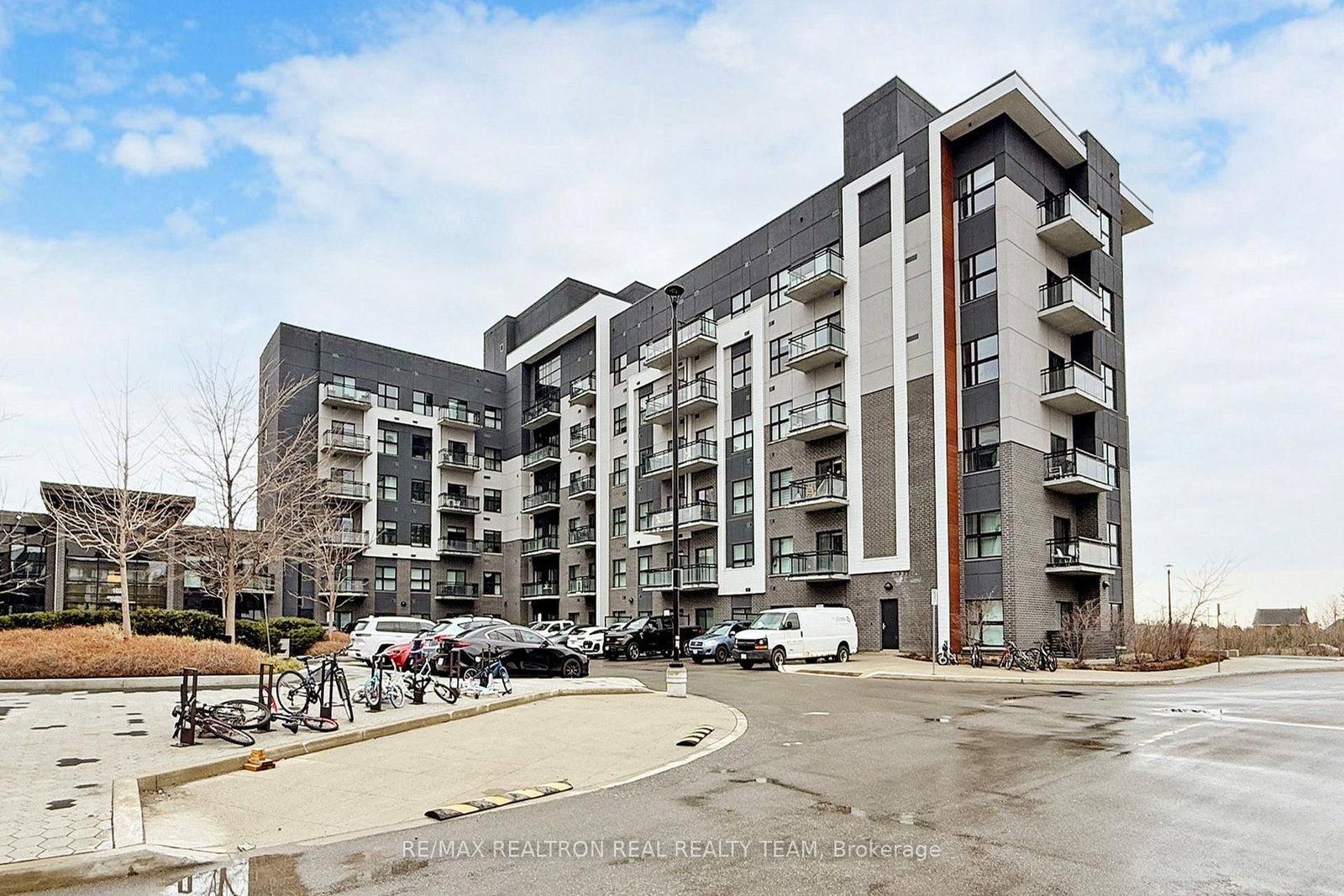
Rural Oakville
About this data. Monthly market statistics are sourced from the Toronto Regional Real Estate Board (TRREB) Market Watch report. Metrics labelled “calculated” are derived from MLS® listing data and may differ from official board figures. Figures reflect data available. This information is deemed reliable but is not guaranteed accurate. Content is provided for general information only and does not constitute financial, investment, or real estate advice.
The trademarks MLS®, Multiple Listing Service® and the associated logos are owned by The Canadian Real Estate Association (CREA) and identify the quality of services provided by real estate professionals who are members of CREA. The trademarks REALTOR®, REALTORS® and the REALTOR® logo are controlled by CREA and identify real estate professionals who are members of CREA.
Rural Oakville Area Guide
AI GeneratedRural Oakville, located within the larger city of Oakville, is a developing area offering a diverse range of new construction opportunities. This neighbourhood caters to various lifestyles, from those seeking spacious single-family homes to individuals and families looking for modern condominium living. With a significant number of new projects underway, it's an appealing location for buyers interested in contemporary housing options in a growing community.
- Diverse Housing Options — Rural Oakville features a broad spectrum of new construction, including single-family homes, condominiums, and townhouses, providing choices to suit different preferences and budgets.
- Significant Pre-Construction Activity — With 33 projects and a total of 11,315 units across various stages from "Launching Soon" to "Developer Selling," this neighbourhood is a hub for new development.
- Wide Price Range — New homes in Rural Oakville offer a considerable price spectrum, with units observed from $354,000 up to $3,450,990, accommodating a variety of financial plans for prospective buyers.
- Emerging Community — While some projects like Oakville Yards Condos boast a walk score of 65/100, many developments are situated in areas with lower walk and transit scores, indicating a car-dependent lifestyle might be more common, typical of burgeoning suburban communities.
Recent Listings
Recently Sold
Pre-Construction in Rural Oakville
View all 33Trafalgar Highlands by Coscorp
From $941,504
Ivy Rouge Phase 2 by Starlane Home Corporation
From $1,049,900

North Oak – Condos at Oakvillage
From $399,900
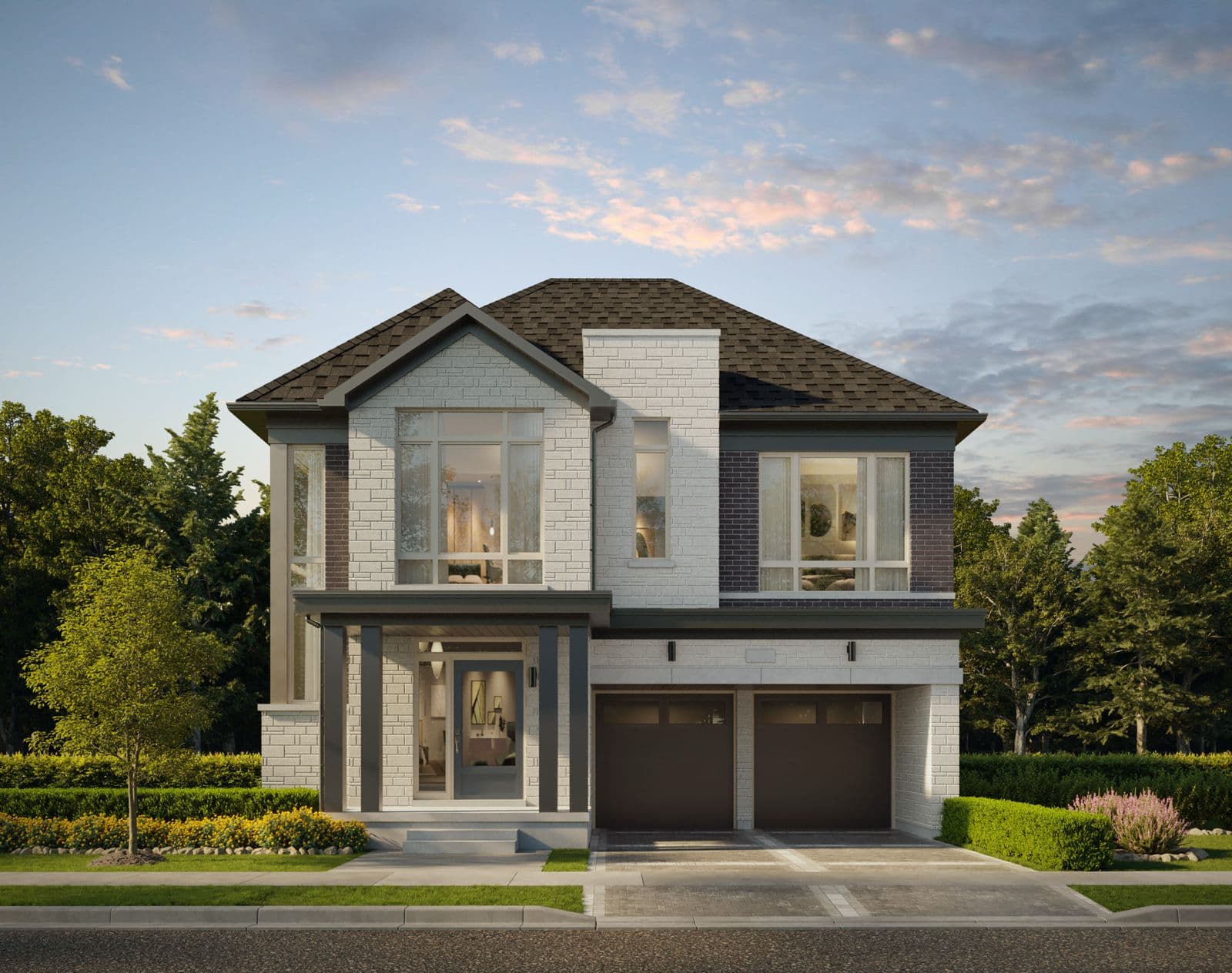
NAVA Oakville Detached
From $1,859,990

Upper West Side Condos 2
From $419,900
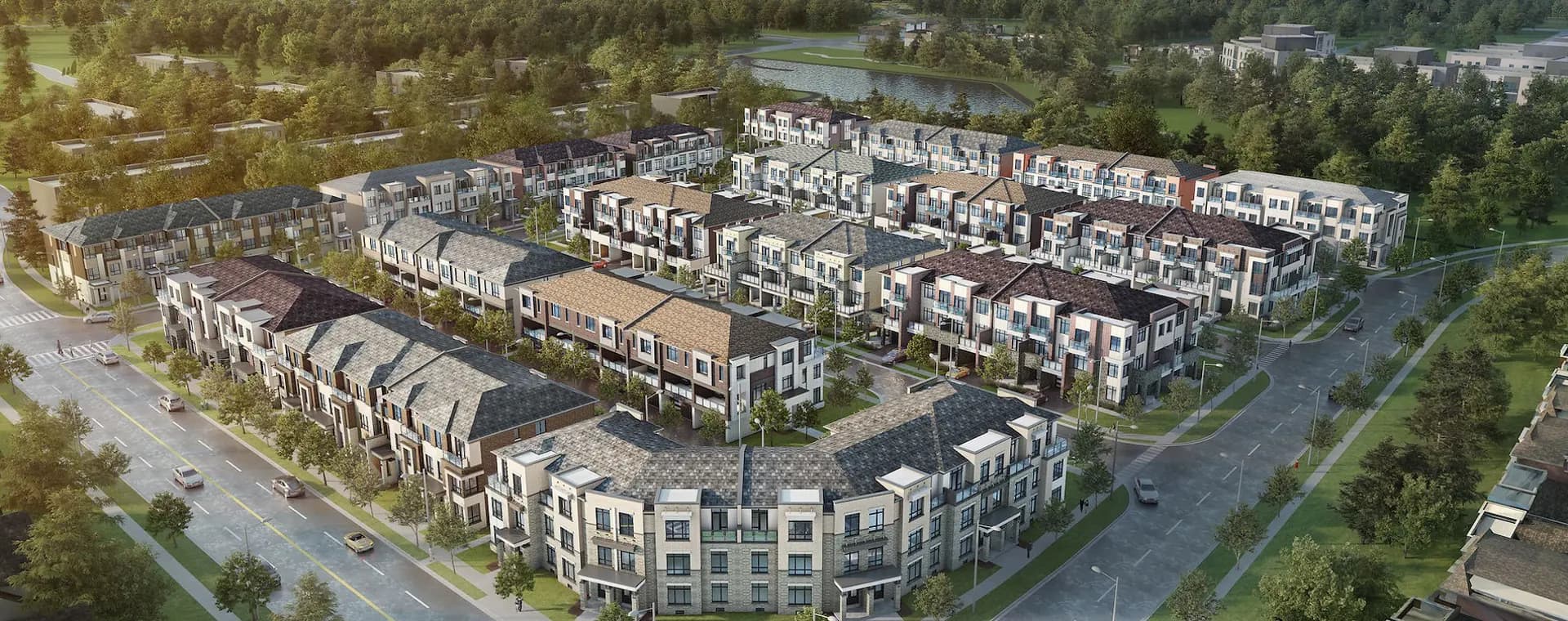
NAVA Oakville Condos
From $0
Caivan Creekside Homes
From $1,639,990

Oakville Yards Condos
From $0